Pakistan Negotiates Security, But Ends Up Delivering Mediation
Pakistan has emerged as a key player on this geopolitical chessboard, skillfully expanding its footprint and cementing ties without exposing itself to strategic overextension.

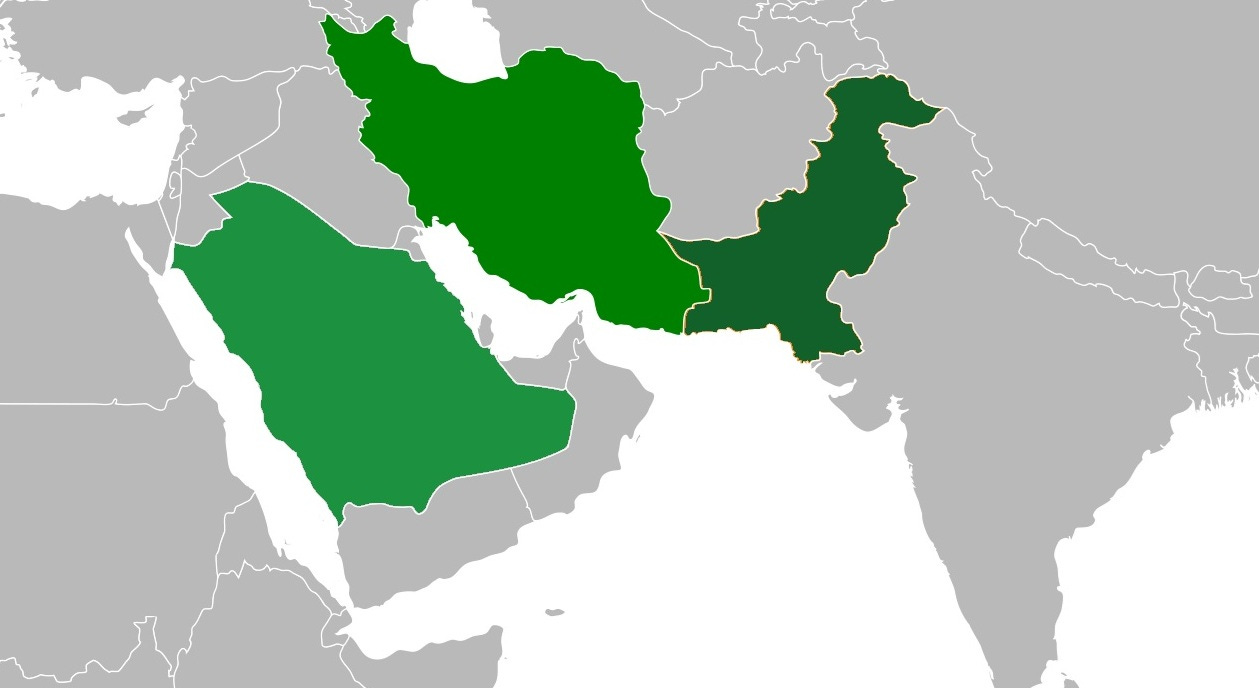
No other country in the region plays a more central role in the dialogue between both sides than Pakistan. And, of course, the country has reaped both gains and losses in this process. One of the losses was its relationship with the Emirates, which began to antagonize Islamabad after being bombed by Iran. On that occasion, Abu Dhabi put a knife to the Pakistanis’ throats and demanded the immediate repayment of $3.5 billion in old loans and deposits. Pakistan not only paid, but shortly afterward received Saudi support and renewed its defense pact with Riyadh.
But is it possible to establish or strengthen defense pacts during a war in which your allies host military bases of nations directly involved in the conflict? Obviously not. Even so, Pakistan, a regional nuclear power, has been advancing in this field and is already negotiating with Kuwait the sale of a new defense pact.
This opportune scenario for Islamabad reveals the deep lack of confidence among GCC countries in the United States as a guarantor of their security. By opening the door to Pakistan, they are also drawing closer to China, Islamabad’s main strategic partner.
